The Role of Wholesale Prices in Used Car Valuation

Understanding Wholesale Pricing Structures
Wholesale prices serve as the foundation for how used cars are valued in the marketplace. These prices represent the cost at which dealers purchase vehicles from auctions, trade-ins, or other dealerships before they reach retail consumers. Understanding the structure of wholesale pricing is crucial for grasping how retail markups are determined.
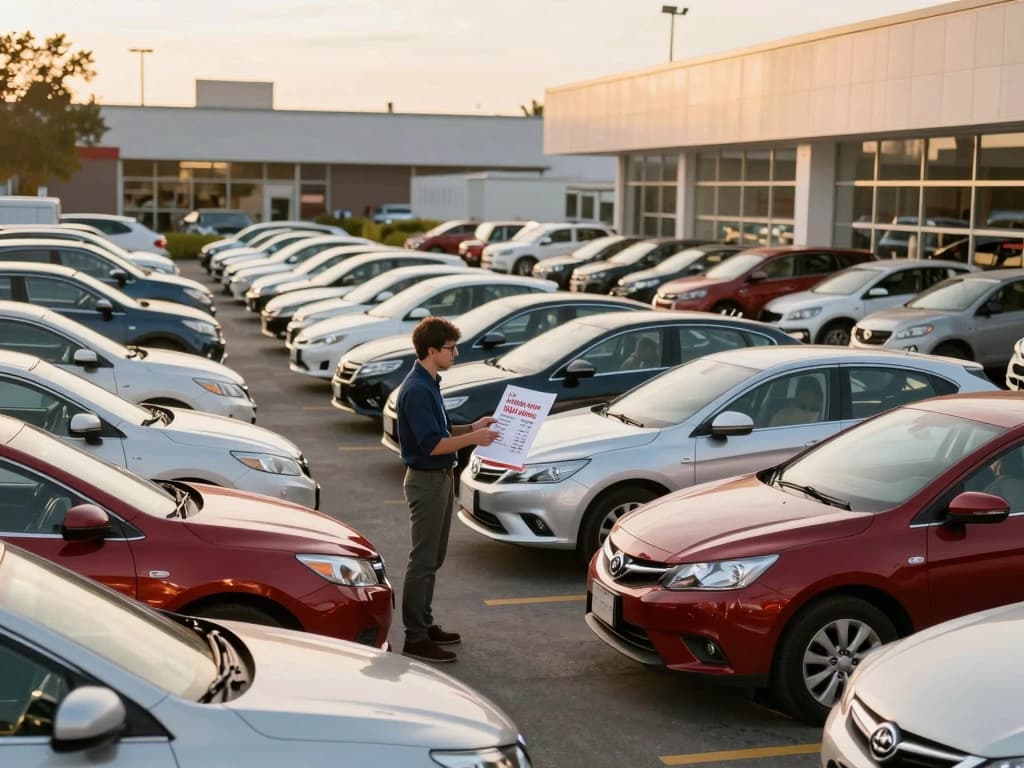
Typically, wholesale prices are significantly lower than retail prices, reflecting the raw cost before any dealer markup is applied. For instance, if a dealer buys a used sedan at a wholesale price of $15,000, they will often mark it up to a retail price ranging from $18,000 to $22,000, depending on various factors influencing the market.
Factors Influencing Wholesale Prices
Several factors play a crucial role in determining wholesale prices for used cars:
- Condition of the Vehicle: The physical and mechanical state of the car significantly affects its wholesale value. A well-maintained vehicle will fetch a higher price than one in poor condition.
- Age and Mileage: Generally, newer cars with lower mileage attract higher wholesale prices. For example, a 2020 model with 30,000 miles may be valued at $20,000, while a 2015 model with 80,000 miles could be valued at only $12,000.
- Market Trends: Trends in consumer preferences can impact wholesale pricing. For instance, a surge in demand for electric vehicles may increase the wholesale prices of models like the Tesla Model 3.
- Vehicle Type: SUVs and trucks often have a higher demand and, consequently, higher wholesale prices compared to sedans.
The Impact of Market Demand on Wholesale Valuations
The dynamic nature of market demand can cause fluctuations in wholesale prices. During times of high demand, such as post-pandemic recovery phases, wholesale prices may rise as dealers compete to acquire desirable inventory. For example, in 2021, the average wholesale price of a used car soared to $25,000 due to supply chain disruptions and increased demand, significantly impacting retail pricing strategies.
Conversely, during economic downturns or periods of low demand, wholesale prices often drop, forcing dealers to adjust their retail markups accordingly. The ability to understand and anticipate these market demands is crucial for dealers aiming to maintain profitability while remaining competitive.
How Retail Markups Are Calculated from Wholesale Prices
The Formula Behind Retail Markup Calculations
Calculating retail markups from wholesale prices typically involves a straightforward formula:
Retail Price = Wholesale Price + (Wholesale Price x Markup Percentage)
For instance, if a dealer purchases a vehicle for $15,000 and decides to apply a markup of 20%, the calculation would be:
- Markup Amount: $15,000 x 0.20 = $3,000
- Retail Price: $15,000 + $3,000 = $18,000
This formula illustrates how the wholesale price serves as the baseline upon which retail prices are built, emphasizing the importance of accurate wholesale valuations in setting competitive retail prices.
Common Practices in Retail Markup Strategy
Dealers often employ various strategies to determine their retail markups, including:
- Market Analysis: Dealers frequently analyze competitors' pricing to ensure their retail prices are aligned with market standards.
- Cost-Plus Pricing: This strategy involves calculating the total cost of acquiring and preparing the vehicle for sale (including reconditioning fees) and then adding a standard markup percentage.
- Dynamic Pricing: Some dealers adopt a dynamic pricing model, adjusting retail prices based on real-time market conditions, inventory levels, and demand fluctuations.
Regional Variations in Retail Markup Standards
Retail markups can vary significantly by region due to differences in local economies, demographic preferences, and competition levels. For instance, in urban areas where demand for used cars is high, dealers may apply higher markups compared to rural regions where competition is less fierce. A study conducted in 2022 showed that dealers in metropolitan areas often marked up vehicles by an average of 25%, whereas those in rural settings averaged around 15%.
Understanding these regional variations is essential for both dealers and consumers, as it highlights the influence of local market conditions on pricing strategies.
The Relationship Between Supply Chain and Pricing Dynamics
How Supply Chain Challenges Affect Wholesale Prices
Recent supply chain disruptions, particularly those stemming from the COVID-19 pandemic, have had a profound impact on wholesale prices for used cars. With new car production halted, the supply of used cars began to dwindle, leading to increased wholesale prices. For example, in early 2021, wholesale prices rose by over 30% compared to the previous year due to these supply constraints.
As wholesale prices increase, retail prices must also adjust to reflect the new market realities, often resulting in higher costs for consumers. Dealers must navigate these challenges carefully to maintain profitability while ensuring they remain competitive.
The Influence of Dealer Relationships on Pricing
Dealer relationships with wholesalers and auction houses can significantly affect their purchasing costs and, consequently, their pricing strategies. Strong relationships may afford dealers access to better pricing or exclusive inventory, allowing them to maintain lower wholesale costs. For instance, a dealer with a longstanding relationship with a local auction house may purchase vehicles at a lower rate compared to a new dealer entering the market.
This relationship can lead to more favorable retail pricing, enabling the dealer to remain competitive while still achieving their desired profit margins.
Seasonal Trends and Their Impact on Supply
Seasonal trends also play a critical role in wholesale and retail pricing dynamics. For example, during tax refund season, typically from January to April, many consumers are looking to purchase used cars, increasing demand and driving up wholesale prices. As a result, dealers often raise their retail markups to capitalize on this heightened demand.
Conversely, during the winter months, demand tends to dip, leading to lower wholesale prices. Dealers must be adaptive in their retail strategies to reflect these seasonal changes, ensuring they adjust their markups accordingly to remain competitive.
Market Influences Affecting Both Wholesale and Retail Prices
Economic Factors Impacting Used Car Prices
The overall economy has a significant impact on both wholesale and retail prices for used cars. Factors such as interest rates, inflation, and unemployment rates can influence consumer purchasing power and, subsequently, demand for used vehicles. For example, during periods of economic growth, consumers are more likely to make larger purchases, including used cars, leading to increased wholesale and retail prices.
In contrast, during economic downturns, with higher unemployment and tighter credit markets, demand for used cars may decline, resulting in lower wholesale prices and causing dealers to reduce their retail markups to stimulate sales.
Technological Advancements and Pricing Adjustments
Technological advancements have also impacted how wholesale prices are determined. The rise of online auction platforms and vehicle valuation tools has made the process of buying and selling used cars more transparent, allowing dealers to access real-time pricing data.
For instance, platforms like Manheim and Cox Automotive provide dealers with up-to-date market insights, enabling them to make informed decisions regarding wholesale purchases and retail pricing strategies. This transparency can lead to more competitive pricing, as dealers are better equipped to understand and respond to market fluctuations.
Competitive Landscape and Its Effect on Markup Strategies
The competitive landscape significantly influences retail markup strategies. In highly competitive markets, dealers may be forced to keep their markups lower to attract customers, while in less competitive areas, they may have more leeway to set higher markups.
For example, in a competitive urban market, a dealer may choose to apply a markup of only 10% to remain appealing to price-sensitive customers, while a dealer in a suburban area with fewer competitors might apply a markup of 20% or more, depending on their inventory and costs.
Consumer Awareness and Its Effect on Pricing Strategies
How Consumer Knowledge Influences Retail Markups
As consumers become more informed about the used car market, their awareness can significantly influence retail markups. With access to online pricing tools and resources, consumers are better equipped to understand the fair market value of vehicles, making them less susceptible to overly inflated prices.
For instance, a consumer aware of the wholesale price of a certain model may negotiate aggressively, pressuring dealers to justify their markup. This growing consumer awareness can lead to more competitive pricing, as dealers strive to maintain their customer base.
The Role of Transparency in Pricing Strategies
Transparency in pricing strategies is becoming increasingly important in the used car market. Dealers who are open about their wholesale costs and markup strategies can build trust with consumers, potentially leading to higher sales volumes. For example, some dealers provide detailed breakdowns of pricing on their websites, including wholesale costs, reconditioning fees, and the final retail price.
This level of transparency not only helps consumers feel more informed but also encourages loyalty, as customers appreciate honesty in their purchasing experience.
Strategies for Educating Consumers on Pricing
Dealers can adopt several strategies to educate consumers about pricing, which can enhance their buying experience and ultimately impact retail markups:
- Workshops and Seminars: Hosting events that explain the used car buying process, including how wholesale prices affect retail pricing, can empower consumers.
- Online Resources: Creating informative content on dealer websites, such as blogs or videos, can help demystify pricing strategies and educate consumers on what to expect.
- Personalized Consultations: Offering one-on-one consultations where consumers can ask questions about pricing can also foster trust and transparency.