Initial Investment: Understanding the Basics
Defining Private Label Cosmetics
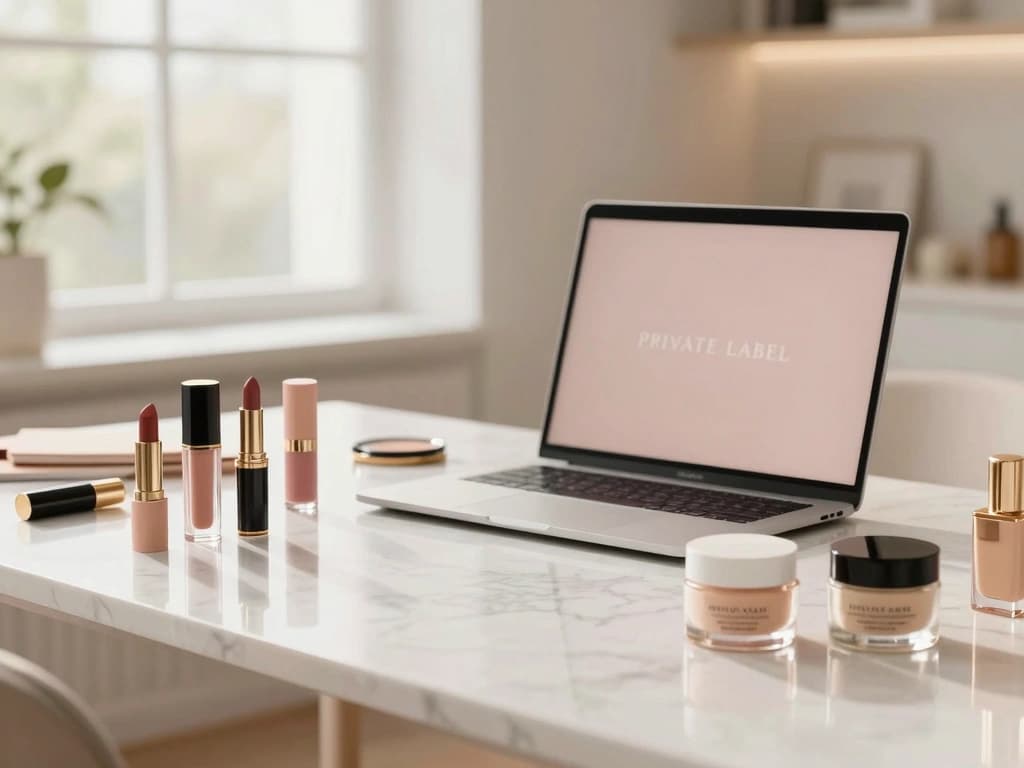
Private label cosmetics refer to beauty products that are manufactured by one company for sale under another company’s brand. This model allows entrepreneurs to create their own brand without the need to invest heavily in manufacturing facilities and resources. Instead, they partner with established manufacturers who produce the products according to their specifications. This approach can significantly lower the barrier to entry for new entrants in the cosmetics industry.
Essential Startup Costs Overview
Starting a private label cosmetics line can be a lucrative venture, but it requires a clear understanding of the costs involved. The initial investment can vary widely depending on factors such as product selection, branding, and marketing strategies. On average, the startup costs for a private label cosmetics business can range from $5,000 to $50,000 or more. Below is a breakdown of key expenses you can expect when launching your brand:
- Product Development: $2,000 - $15,000
- Manufacturing and Production: $5,000 - $20,000
- Marketing and Branding: $2,000 - $10,000
- Operational Expenses: $1,000 - $5,000
Factors Influencing Initial Costs
The initial costs associated with launching a private label cosmetics line can vary greatly based on several key factors:
- Product Complexity: More complex formulations (like organic or specialized skincare) typically require higher investment.
- Branding Decisions: The choice of branding elements such as logo design and packaging significantly impacts costs.
- Target Market: Premium markets will necessitate higher quality ingredients and packaging, inflating startup costs.
- Geographic Location: The cost of labor and materials can vary by region, influencing overall expenses.
Product Development Expenses
Formulation and Testing Costs
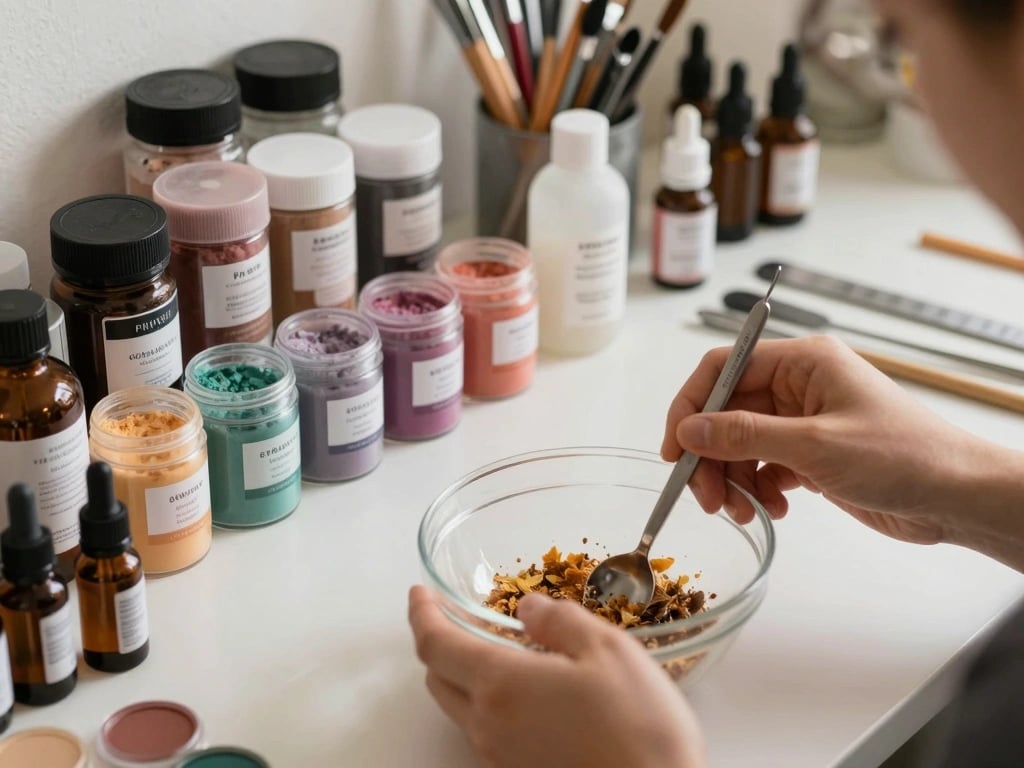
Creating an effective and appealing product is paramount in the cosmetics industry. Product formulation and testing can be one of the most significant expenses in your startup budget. Depending on the complexity of your product, costs can range from $500 to $10,000 for initial formulation and testing. For instance, a basic lip balm formulation might cost around $500, while a more complex anti-aging serum could reach upwards of $5,000 due to extensive ingredient sourcing and stability testing.
Packaging Design and Prototyping
Packaging serves not only as a protective layer for your product but also as a crucial marketing tool. The costs associated with packaging design and prototyping can vary widely, generally ranging from $1,000 to $5,000. For example, custom glass containers for skincare products are typically more expensive than plastic packaging. A designer might charge $1,000 for initial designs, while prototypes can add another $500 to $2,000 depending on the materials used.
Regulatory Compliance and Certifications
Compliance with local and international regulations is critical in the cosmetics industry. Depending on your target market, you might need to obtain specific certifications. For instance, in the United States, you may need to comply with FDA regulations, while European markets require compliance with the EU Cosmetics Regulation. Costs for regulatory compliance can range from $500 to $5,000, depending on the number of products and complexity of the regulations involved. For example, obtaining organic certification can cost around $3,000 for initial applications.
Manufacturing and Production Costs
Choosing the Right Manufacturer
Finding a reliable manufacturer is crucial for the success of your private label cosmetics brand. Costs can vary based on the manufacturer’s location, reputation, and the scale of production. On average, manufacturers might charge $2,000 to $10,000 for initial runs, depending on the product type and complexity. For example, a small batch of 100 units of a skincare product might cost $2,500, while larger quantities can lead to lower per-unit costs.
Minimum Order Quantities (MOQs) and Their Impact
Most manufacturers have a minimum order quantity (MOQ) that must be met to proceed with an order. This can significantly impact your initial investment. MOQs can range from 100 to 1,000 units, with costs varying considerably based on product type. For example, if a manufacturer requires a MOQ of 500 units at $5 per unit, your initial manufacturing cost would be $2,500. This can be a substantial upfront investment, especially for startups with limited cash flow.
Cost Variations by Product Type
The type of cosmetics you choose to produce can greatly affect your startup costs. For instance:
- Skincare Products: Generally have higher formulation and testing costs due to the complexity of ingredients. Initial costs can range from $5,000 to $20,000.
- Makeup Products: Usually require significant investment in color matching and testing, with costs often between $5,000 and $15,000.
- Hair Care Products: These often involve unique formulations and packaging, costing anywhere from $3,000 to $10,000.
Marketing and Branding Investments
Brand Development and Identity Creation
Branding is vital in the cosmetics industry, as it sets your products apart from competitors. The costs associated with brand development can range from $1,000 to $10,000, depending on the complexity of your branding strategy. This includes logo design, brand voice development, and overall visual identity. For example, hiring a branding agency might cost around $5,000, while freelance designers could charge $1,000 for a logo and basic brand guidelines.
Digital Marketing Strategies and Budgets
In today’s digital age, effective marketing strategies are essential for reaching your target audience. Allocating a budget for digital marketing is crucial, with costs typically ranging from $500 to $5,000 per month. This budget might cover social media advertising, content marketing, and search engine optimization (SEO). For instance, a well-planned Facebook ad campaign can cost around $1,000 monthly to effectively reach potential customers.
Influencer Partnerships and Promotions
Leveraging influencer partnerships can significantly boost brand visibility. Costs associated with influencer marketing can vary widely based on the influencer’s reach and engagement. Micro-influencers might charge $100 to $1,000 per post, while established influencers could demand $10,000 or more. For example, collaborating with a beauty influencer for a sponsored post can yield substantial returns and help build your brand's credibility.
Ongoing Operational Expenses
Inventory Management and Storage Costs
Once your products are manufactured, managing inventory becomes a crucial aspect of your business. Costs related to inventory management and storage can range from $500 to $3,000 per month, depending on the scale of your operations. For instance, renting warehouse space can cost around $1,000 monthly, while software tools for inventory management might add another $200 per month.
Shipping and Fulfillment Considerations
Shipping and fulfillment costs are essential to factor into your overall budget. Depending on the shipping methods you choose and the volume of products you sell, these costs can range from $1 to $5 per unit. For example, if you sell 500 units and the shipping cost is $2 per unit, your total shipping expense would be $1,000. Additionally, investing in a reliable fulfillment partner can streamline operations but may also add to your monthly expenses.
Customer Service and Return Management
Providing excellent customer service is critical in the cosmetics industry. Budgeting for customer service tools, staff, and return management processes can range from $500 to $2,000 per month. For instance, implementing a customer service platform like Zendesk can cost around $300 per month, while hiring a part-time customer service representative could add another $1,000 monthly.