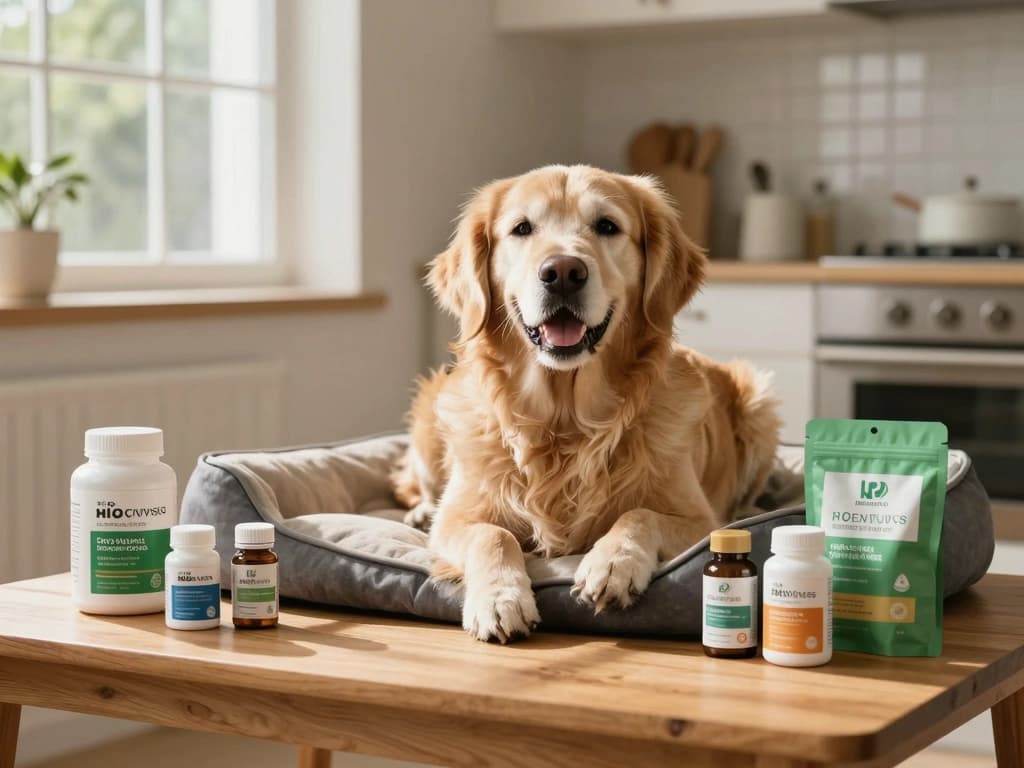
Understanding the Ingredients in Senior Dog Joint Supplements

When it comes to senior dog joint supplements, the quality of ingredients plays a crucial role in their effectiveness. With aging dogs often facing joint problems like arthritis or hip dysplasia, selecting the right supplement can significantly impact their quality of life. However, not all supplements are created equal. Here, we will explore why the quality of senior dog joint supplements varies so widely.
Common Ingredients and Their Benefits
Senior dog joint supplements typically contain a range of ingredients aimed at improving joint health and mobility. Some of the most common active components include:
- Glucosamine: A natural compound found in cartilage, glucosamine is often used to help rebuild joint tissue and reduce inflammation.
- Chondroitin Sulfate: Often paired with glucosamine, chondroitin helps retain water in cartilage, improving its shock-absorbing properties.
- MSM (Methylsulfonylmethane): Known for its anti-inflammatory properties, MSM can help alleviate pain and improve joint function.
- Omega-3 Fatty Acids: Found in fish oil, these fatty acids can reduce inflammation and promote overall joint health.
- Turmeric: This spice contains curcumin, which has anti-inflammatory properties that can benefit joint health.
Each of these ingredients serves a specific purpose in supporting joint health, but the effectiveness depends on the quality and concentration of these components.
Quality vs. Quantity of Active Components
One of the main reasons why senior dog joint supplements differ in quality is the disparity in the concentration of active ingredients. For instance, some brands may offer glucosamine at a standard dose of 500 mg per serving, while others may provide only 300 mg. This difference in quantity can greatly affect the supplement's efficacy. Moreover, the quality of these active ingredients matters significantly. For example, high-quality glucosamine sourced from shellfish may be more effective than lower-quality alternatives derived from synthetic sources. It’s essential to read labels carefully to determine if a product contains sufficient active components at effective dosages.
Sources of Ingredients: Natural vs. Synthetic
The source of ingredients can also affect the quality of senior dog joint supplements. Natural ingredients, often derived from animal or plant sources, are generally regarded as more effective and safer than synthetic alternatives. For example, glucosamine sourced from shellfish is often considered superior to synthetic glucosamine because it is believed to be more bioavailable. On the other hand, some brands may opt for synthetic ingredients due to cost-effectiveness. While synthetic versions can still deliver benefits, they might not provide the same level of efficacy or safety as natural sources.
The Role of Manufacturing Processes in Supplement Quality
The manufacturing processes used to create senior dog joint supplements significantly impact their quality. Understanding these processes can help pet owners make informed decisions.
Good Manufacturing Practices (GMP) Standards
Good Manufacturing Practices (GMP) are regulations set forth by agencies like the FDA to ensure that products are produced consistently and controlled according to quality standards. Supplements manufactured in GMP-certified facilities are more likely to contain the ingredients listed on the label and be free from contaminants. Brands that adhere to GMP standards typically invest more in their manufacturing processes, which can lead to higher quality products. For instance, companies like Nutramax Laboratories, known for their Cosequin line, operate under stringent GMP guidelines, ensuring the safety and effectiveness of their products.
Impact of Production Methods on Nutritional Value
The production methods used in creating joint supplements can also affect the nutritional value of the ingredients. For example, some manufacturing processes involve high heat or chemical treatments that can degrade sensitive compounds like omega-3 fatty acids and glucosamine. Brands that use cold-pressing techniques or other non-thermal methods can help preserve the integrity of the ingredients, resulting in a more effective product. For example, Nordic Naturals uses a proprietary method to maintain the quality of their fish oil, ensuring higher levels of omega-3 fatty acids that can benefit senior dogs.
Testing and Quality Control Measures
Rigorous testing and quality control measures are essential in ensuring the quality of senior dog joint supplements. Reputable companies will conduct third-party testing to verify the potency and purity of their products. This testing can identify contaminants, verify ingredient concentrations, and ensure that the product is safe for consumption. For example, brands like Zesty Paws provide transparency by sharing their third-party testing results, allowing consumers to verify the quality of their joint supplements.
Regulatory Oversight and Its Influence on Product Quality
Regulatory oversight plays a significant role in the quality and safety of senior dog joint supplements. Understanding the regulations that govern these products can help pet owners make informed choices.
Understanding AAFCO Guidelines for Pet Supplements
The Association of American Feed Control Officials (AAFCO) sets guidelines for pet food and supplements, including joint health products. While AAFCO does not approve products, it provides definitions for terms used on labels and establishes nutritional standards. Products that meet AAFCO guidelines are typically more reliable, as they are formulated to meet specific nutritional requirements. For instance, supplements that claim to be "complete and balanced" must adhere to these guidelines, ensuring that they contain the necessary components for maintaining joint health.
The Role of FDA Regulations in Joint Supplement Safety
The FDA regulates pet supplements under the Federal Food, Drug, and Cosmetic Act, ensuring that products are safe for consumption. However, unlike pharmaceuticals, dietary supplements do not require pre-market approval from the FDA. This lack of oversight can lead to variations in quality, as some companies may prioritize profit over safety. It’s essential for pet owners to choose brands that demonstrate compliance with FDA regulations and prioritize safety in their formulations.
Variances in Regulation Across Different Countries
The regulation of pet supplements varies significantly across countries. In the United States, the FDA has established guidelines, but other countries may have more stringent or lax regulations. For instance, in the European Union, pet supplements must comply with EU regulations, which require more comprehensive testing and labeling practices. This international variance means that pet owners should be cautious when purchasing products from foreign brands, as they may not adhere to the same safety and quality standards.
The Importance of Transparency in Supplement Labels
Label transparency is crucial for pet owners seeking quality senior dog joint supplements. Decoding labels can help determine the effectiveness and safety of a product.
Decoding Labels: What to Look For
When evaluating senior dog joint supplements, key elements to examine on the label include:
- Ingredient List: Look for the specific names of ingredients rather than vague terms like “proprietary blend.”
- Dosage: Ensure that the product provides effective dosages of key ingredients as supported by research.
- Expiration Date: Check for an expiration date to ensure the product's freshness and potency.
- Manufacturing Information: Ensure the product is manufactured in a GMP-certified facility.
Understanding these components can help pet owners select high-quality supplements that effectively support their senior dogs' joint health.
Impact of Marketing Claims on Perceived Quality
Marketing claims can often be misleading, leading consumers to believe that a particular product is superior based solely on advertising. Phrases like “all-natural” or “veterinarian recommended” do not always guarantee quality. For example, a supplement might tout itself as “veterinarian recommended” without disclosing that the recommendation is based on a financial partnership rather than product efficacy. Therefore, pet owners should critically assess marketing claims and rely on scientific evidence and third-party verification.
The Role of Customer Reviews and Feedback
Customer reviews can provide valuable insights into the effectiveness and quality of senior dog joint supplements. Pet owners often share their experiences, detailing the outcomes they observed in their dogs after using a particular product. However, it’s essential to consider the source of reviews. Platforms that verify purchase histories are more reliable than those where anyone can leave feedback. For example, websites like Chewy or Amazon often display verified purchaser badges, indicating authenticity.
Comparative Analysis of Major Brands in the Market
The supplement market is flooded with various brands, each claiming to offer the best joint support for senior dogs. A comparative analysis can help differentiate between high-quality and low-quality products.
Brand Reputation and Its Correlation with Quality
Brand reputation can often correlate with product quality. Established companies with a history of producing effective supplements are generally more trustworthy. Brands like Nutramax Laboratories and Zesty Paws have received acclaim for their commitment to quality and effective formulations. Conversely, lesser-known brands may lack transparency and quality assurance, making it riskier to purchase their products. Researching brand history, customer feedback, and product recalls can provide insights into a brand’s reliability.
Price Point as an Indicator of Quality
While price alone should not dictate the quality of a supplement, there is often a correlation between price point and ingredient quality. Higher-priced supplements may use superior ingredients, better manufacturing processes, and thorough testing. For example, a high-quality joint supplement like Cosequin DS may cost between $25 to $40 for a 30-day supply, while cheaper alternatives might retail for under $15 but contain inferior ingredients or lower dosages. However, it’s crucial to analyze the ingredient list and not just the price. A high price does not always guarantee quality, and it’s possible to find reasonably priced supplements that meet high standards.
Case Studies: High vs. Low-Quality Brands
To illustrate the disparities in quality, let’s examine two case studies: a high-quality brand and a low-quality brand.
- High-Quality Brand: Cosequin by Nutramax LaboratoriesCosequin contains high-quality glucosamine and chondroitin sourced from natural sources.
- Manufactured in a GMP-certified facility, ensuring strict quality control.
- Backed by extensive research and positive customer feedback.
Low-Quality Brand: Generic Joint Supplements
- Often contain synthetic versions of glucosamine and low dosages of active ingredients.
- Lack transparency in ingredient sourcing and manufacturing practices.
- Customer reviews frequently cite ineffectiveness or adverse reactions.
These case studies highlight the importance of thorough research and consideration when choosing senior dog joint supplements.
Conclusion
The quality of senior dog joint supplements can vary significantly due to multiple factors, including ingredient sourcing, manufacturing processes, regulatory oversight, label transparency, and brand reputation. Pet owners must prioritize high-quality ingredients, effective dosages, and reliable manufacturing practices to ensure the best joint health support for their senior dogs. By understanding the nuances of supplement quality, pet owners can make informed decisions that lead to better health outcomes for their beloved companions. Investing time in research can result in finding a product that not only meets the needs of senior dogs but also enhances their overall quality of life.